How SuperSpan Portal Frame Systems Improve Operational Efficiency in Steel Buildings
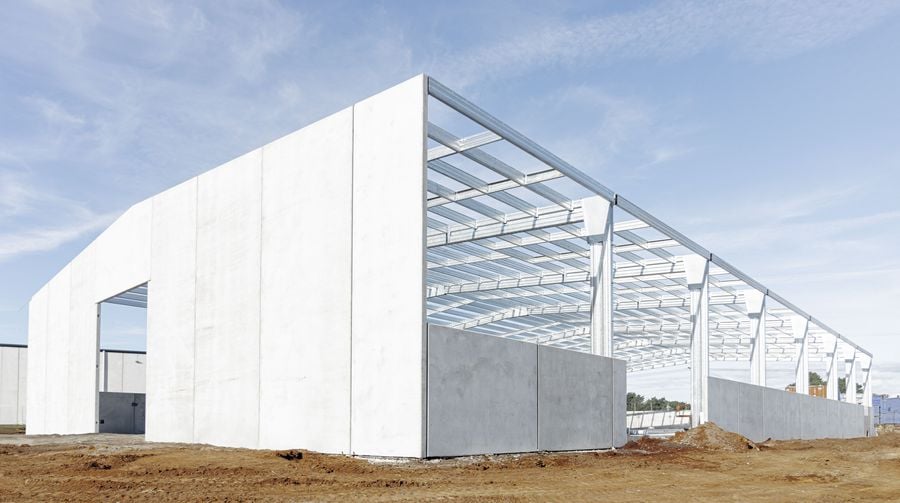
A SuperSpan portal frame system changes how a building performs once span increases. Floor space opens up, movement becomes more direct, and the asset's cost profile begins to change. For developers, operators, and specifiers comparing structural options, the focus moves beyond how the building stands to how it supports daily output and long-term utilisation.
This becomes more pronounced as scale increases, with small operational gains compounding over the life of the asset.
What Changes When Columns Disappear
Columns are vertical supports that transfer loads to the foundation but take up space and interrupt layout and movement. Removing internal columns reshapes how space is used. Layouts are no longer restricted by a grid, and movement becomes more direct across the floor.
- Open floor area supports flexible layouts for storage, plant and vehicle access
- Fewer obstacles reduce travel distance and handling time
- Clear sightlines improve coordination across operations
In wide span warehouse structures, these changes lead to practical gains. Travel paths shorten, capacity improves and layouts can adjust without structural limitations.
From Structural Efficiency to Operational Gain
The benefit of a SuperSpan portal frame system extends beyond the frame itself. It influences how the building performs from day one and over time.
Area | Conventional Columned Structure | SuperSpan Outcome |
|---|---|---|
Floor Use | Space reduced by columns | Full usable footprint |
Movement | Indirect routes | Direct flow across the floor |
Layout | Fixed around grid | Adaptable to change |
Expansion | Disruption required | Easier integration |
For column-free steel buildings in NZ, the impact is immediate. In logistics and storage, small reductions in travel time or handling steps build into measurable productivity gains.
Reduced Steel and Simpler Construction
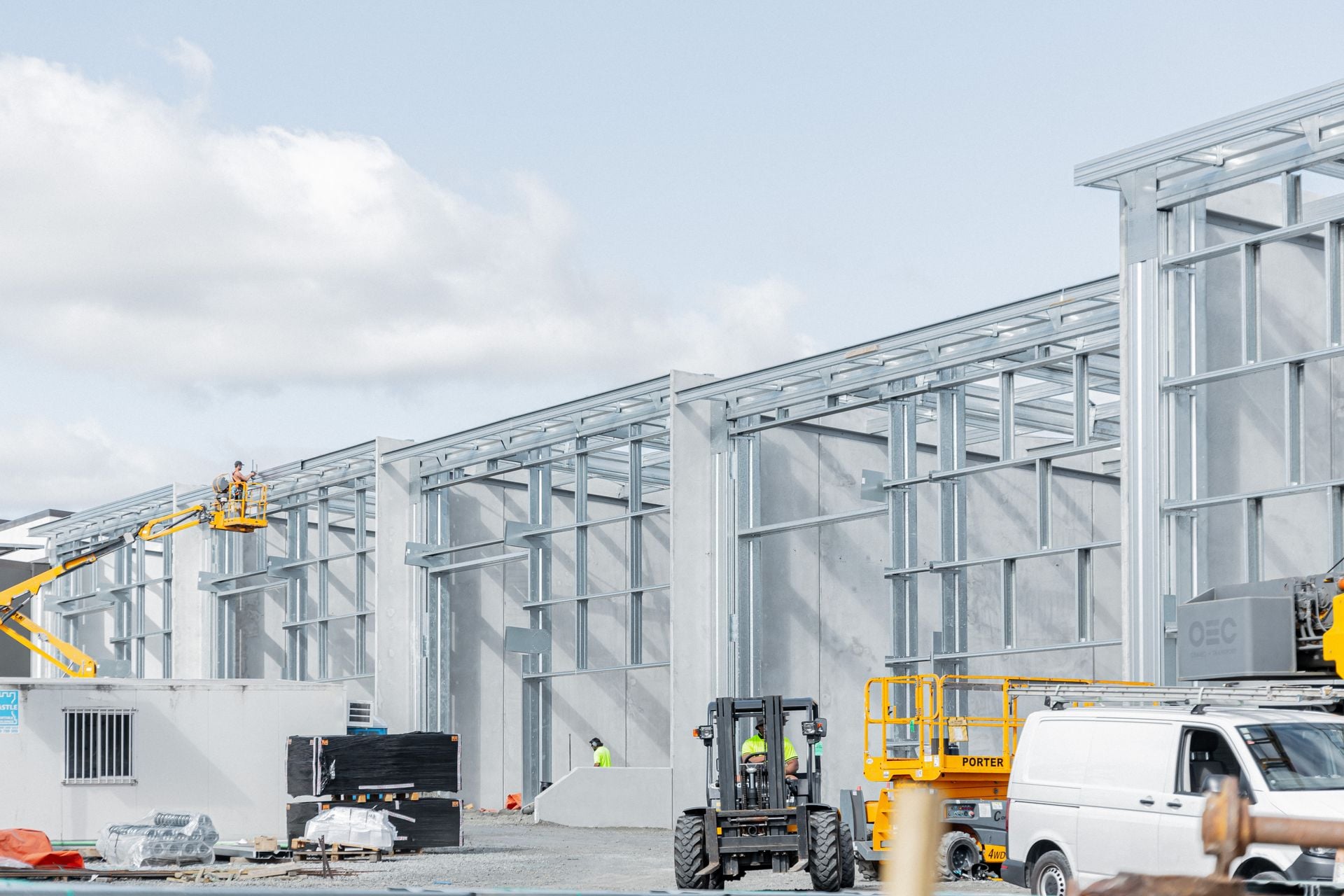
Structural efficiency is important, with up to three times the strength-to-weight ratio of conventional systems, allowing SuperSpan steel buildings in NZ to achieve large spans with less material.
This affects construction in several ways:
- Lower steel tonnage reduces transport and site handling
- Lighter loads allow smaller foundations
- Reduced crane demand supports faster erection
These factors support a shorter programme and fewer constraints during delivery. For developers, this improves cost planning and reduces uncertainty during construction.
Programme Certainty at Concept Stage
Cost certainty at the feasibility stage is improved by early engagement with systems that offer fixed upfront pricing, reducing risk before design progresses.
Working with a proven SuperSpan portal frame system allows early alignment between structure and operation. It also limits redesign later in the process, supporting programme timelines and budget control.
Long-Term Structural Utilisation in Operation
The advantages continue during operation, as columnless warehouse buildings in NZ allow adaptation without structural constraints.
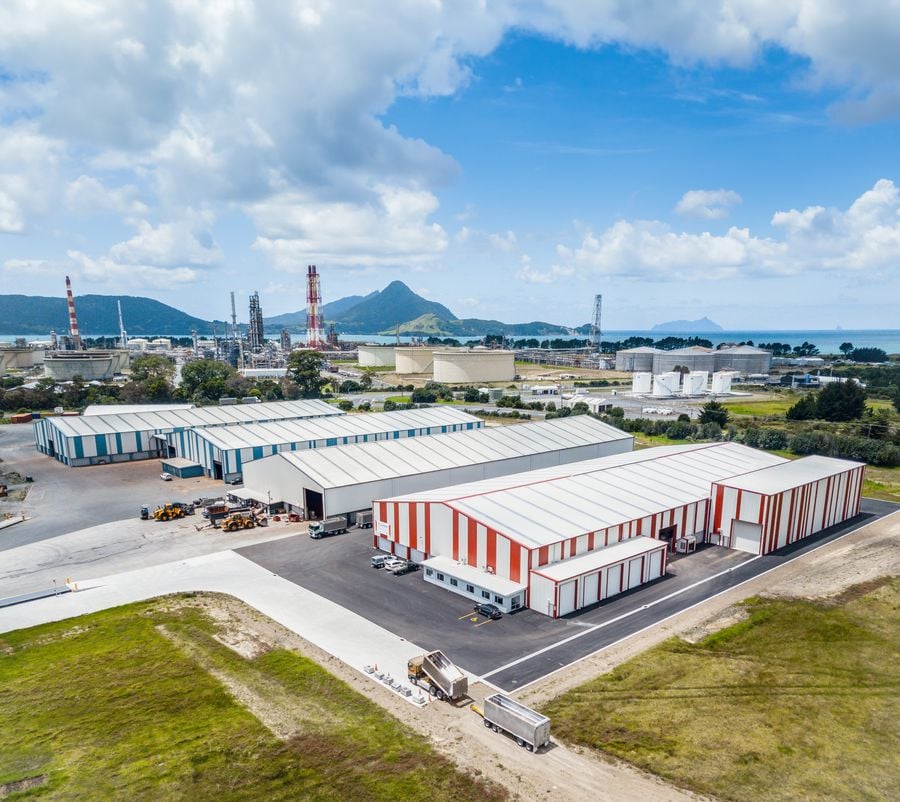
In logistics, this supports changes in racking and workflow. In manufacturing, it allows plant upgrades with less disruption. In aviation and aerospace, uninterrupted space supports large-scale movement and storage.
Over time, output improves through reduced handling effort, simpler maintenance and better use of space. With up to 47% lower embodied carbon, these buildings also support sustainability targets linked to long-term asset value.
Proven Performance Across Sectors
Performance is supported by delivery history. SuperSpan has been used in more than 2,000 structures and over 1,250,000 square metres of built area, with structural performance independently validated by accredited engineering institutions.
These results reflect consistent use across logistics, retail, industrial and aviation environments where clear span supports output and adaptability.
Where Wide Span Delivers Value
The return varies by use, though some sectors see stronger gains:
- Logistics and storage, where movement directly affects output
- Manufacturing and industrial, where layout flexibility supports change
- Aviation and aerospace, where uninterrupted space is required
In these environments, wide span warehouse structures influence both operational performance and long-term adaptability.
Formsteel SuperSpan and Long-Term Building Performance
The value of a SuperSpan portal frame system extends beyond structural efficiency. By removing internal constraints, it supports better space use, smoother movement and greater adaptability over time.
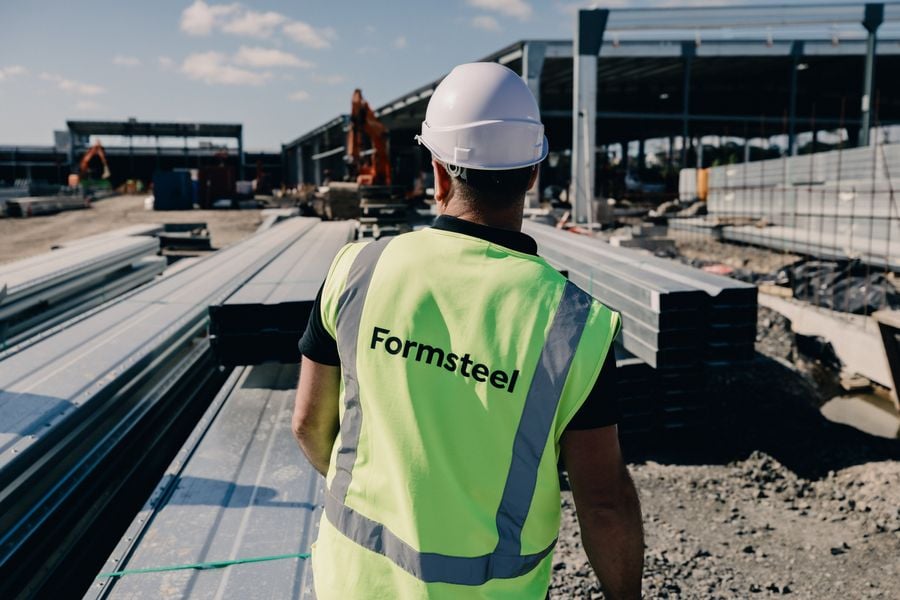
Systems like those developed by Formsteel reflect this approach, combining wide span capability with practical performance across different sectors. Early consideration of these systems can help align structural design with operational needs from the outset.
More information on Formsteel’s system and its applications can be found at Formsteel SuperSpan.